

Perfect is not always beautiful
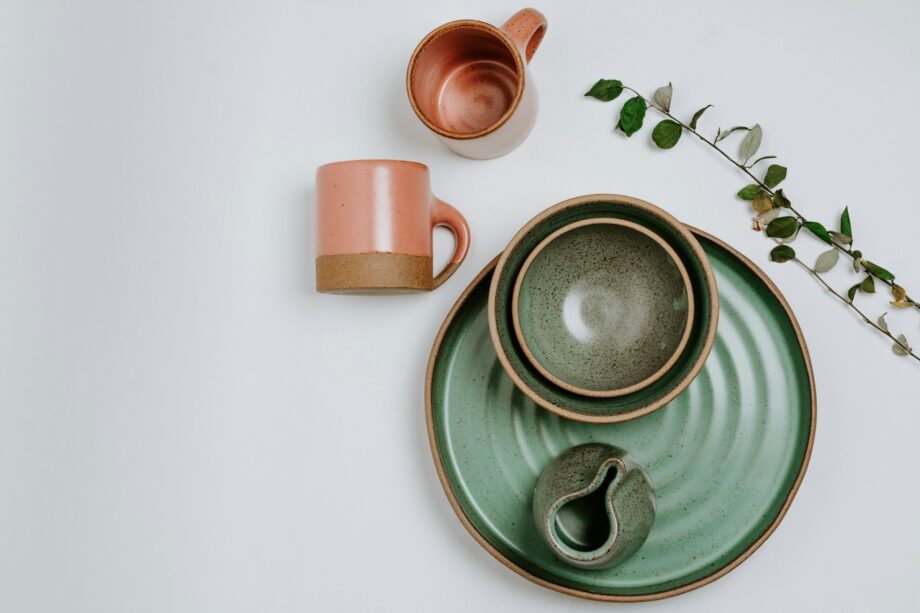
There is something compelling about a piece that carries the trace of the hand that made it. Slight variations in glaze, contour or texture create a sense of individuality that mass uniformity cannot easily reproduce.
The character of ceramic
Ceramic dinnerware changes with light. A matte surface absorbs it; a glossy glaze reflects it. A subtle tonal variation can become visible only when the plate is placed beside another piece. These details give a table depth without adding visual noise.
Build a collection, not a matching set
Handcrafted pieces work particularly well when they are coordinated rather than identical. Similar tones can sit together while different shapes create rhythm. A large plate, smaller side plate and bowl can each have their own character while still belonging to the same table.
Texture belongs at the table
Tactile surfaces matter because dining is an experience of more than sight. The weight of a plate, the edge of a bowl and the feel of a cup all contribute to the ritual. Good dinnerware becomes familiar through use.
Designed for real occasions
Beautiful dinnerware should not be reserved for guests. Use it for breakfast, a weekday dinner or a quiet coffee. When objects are allowed to become part of everyday life, they develop meaning.
The handcrafted luxury principle
At Ellen Colé, handcrafted luxury is about restraint rather than ornament. We look for forms that feel contemporary, materials that reward touch and finishes that become more interesting as they are used.
Care and longevity
Treat quality dinnerware as something to live with for years. Follow the maker’s care guidance, avoid unnecessary harsh handling and store pieces thoughtfully. Longevity is part of luxury: the object becomes more valuable because it stays with you.