

Light is part of the architecture
Furniture defines a room physically, but lighting defines it emotionally. The same sofa, table or artwork can feel entirely different under bright overhead light compared with a warm pool of light from a carefully placed lamp.
Think in layers
A comfortable room usually benefits from more than one lighting level. Ambient light provides general illumination. Task lighting supports reading, dining or working. Accent lighting draws attention to an object or architectural detail. Together, the layers allow the room to change throughout the day.
The role of the table lamp
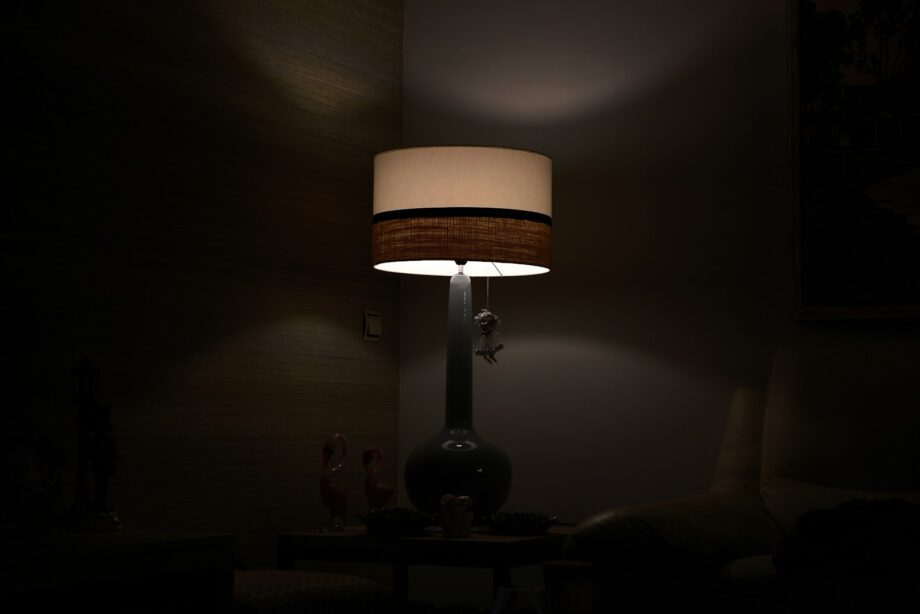
A table lamp is both a source of light and a decorative object. Its silhouette can add height to a console, balance a bedside table or create a focal point on a sideboard. Look for proportions that relate to the furniture around it.
Warmth after dark
Evening light should generally feel softer than daytime illumination. Warmer tones can make neutral materials feel richer and help a room transition from active to relaxed. Dimming is especially useful because it lets one source perform several roles.
Create pools, not glare
Instead of trying to illuminate every corner equally, allow some areas to remain quieter. A pool of light beside a chair, on a dining table or around a decorative object creates visual rhythm and gives the eye somewhere to travel.
Lighting as an object
Exceptional lighting can be sculptural even when switched off. A well-proportioned lamp contributes to the room during the day and transforms it after sunset. That dual role is what makes lighting such an important part of interior styling.
A considered approach
The best lighting scheme is rarely the most complicated. It is the one that gives you control over mood while allowing the objects and materials in the room to look their best.